
Stanford in the past
Twenty historic photographs of Stanford's streets and buildings, from Annalize Mouton's book Stanford 150: Portrait of a Village.
View the gallery →
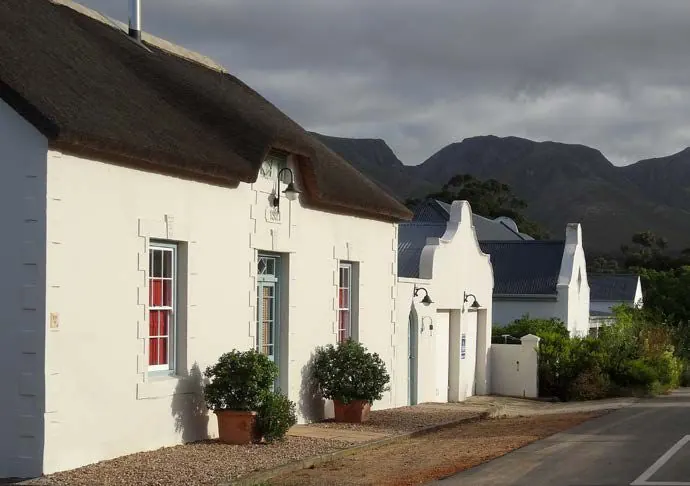
Preserving the historic fabric of Stanford
We work with Heritage Western Cape and Overstrand Municipality to protect how our village looks. In 2025 the committee reviewed 51 submissions: building plans and town planning applications, including EIAs and HIAs. By the end of May 2026 it had reviewed 16 more. A new applicant feedback form makes the process clearer for everyone. With the Planning Group, the committee drew up a precinct plan for Stanford East, which has gone to Overstrand Municipality for feedback. It is also discussing a Streetscape Design Framework with the municipality.
Heritage Western Cape rates Stanford the third best-preserved village in the Western Cape, after Montagu and parts of Greyton.
The historic core is a proclaimed Heritage Area. Its buildings date from the late 1700s to the early 1900s:
Planning to build or renovate? See the Stanford Style booklet below. Under the National Building Regulations, all plans must be prepared by a SACAP-registered practitioner. For advice, get in touch via heritage@stanfordconservation.org.
Our Heritage Committee brings together heritage architects, engineers and villagers who share a love of Stanford's historic buildings.
St Thomas Church & Oulap Hall. See the dedicated St Thomas Church & Oulap Hall page for the restoration story, masterplan and how to donate.
Buzzy Beez Restoration. The Grade IIIA thatched Buzzy Beez building on the Okkie Smuts grounds was restored in 2019 and is now the school library. See the dedicated Buzzy Beez Restoration page.
Stanford's historic core was proclaimed a Conservation Area in 1996. Since the Heritage Protection Overlay Zone by-law of 7 August 2020, the Heritage Area is protected in the municipal zoning scheme too.
First published in 2000, the Stanford Style booklet shows owners, buyers and developers what fits in the Heritage Area. The 4th edition came out in July 2019.
Download the Stanford Style booklet (PDF)
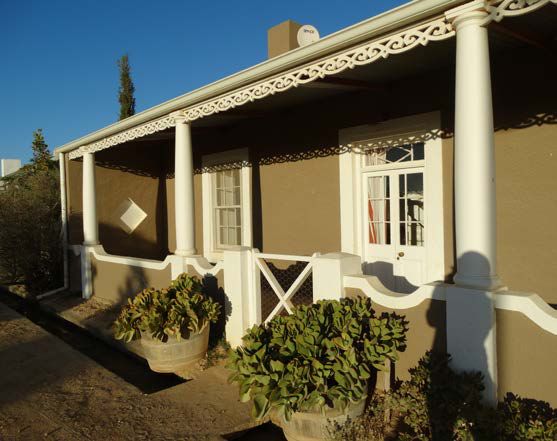
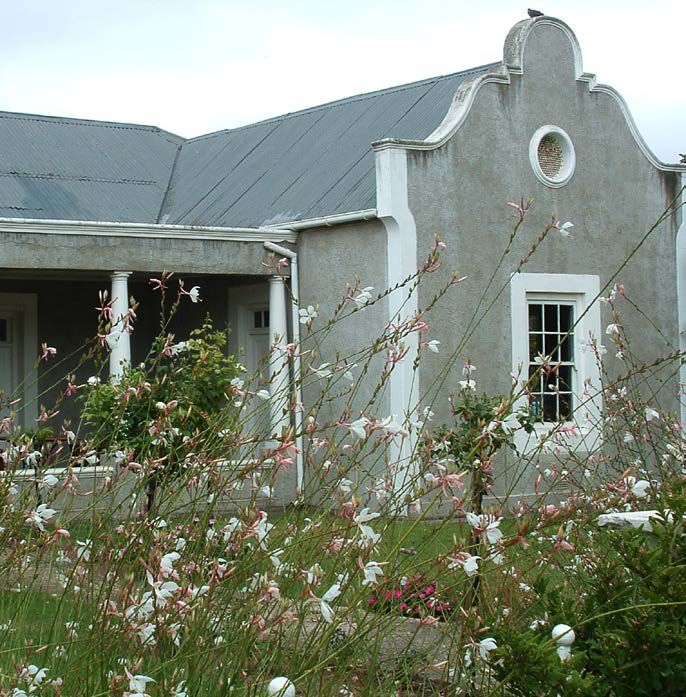
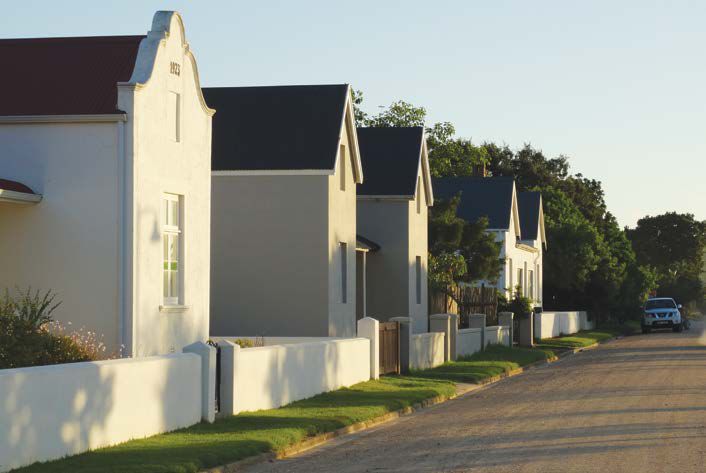
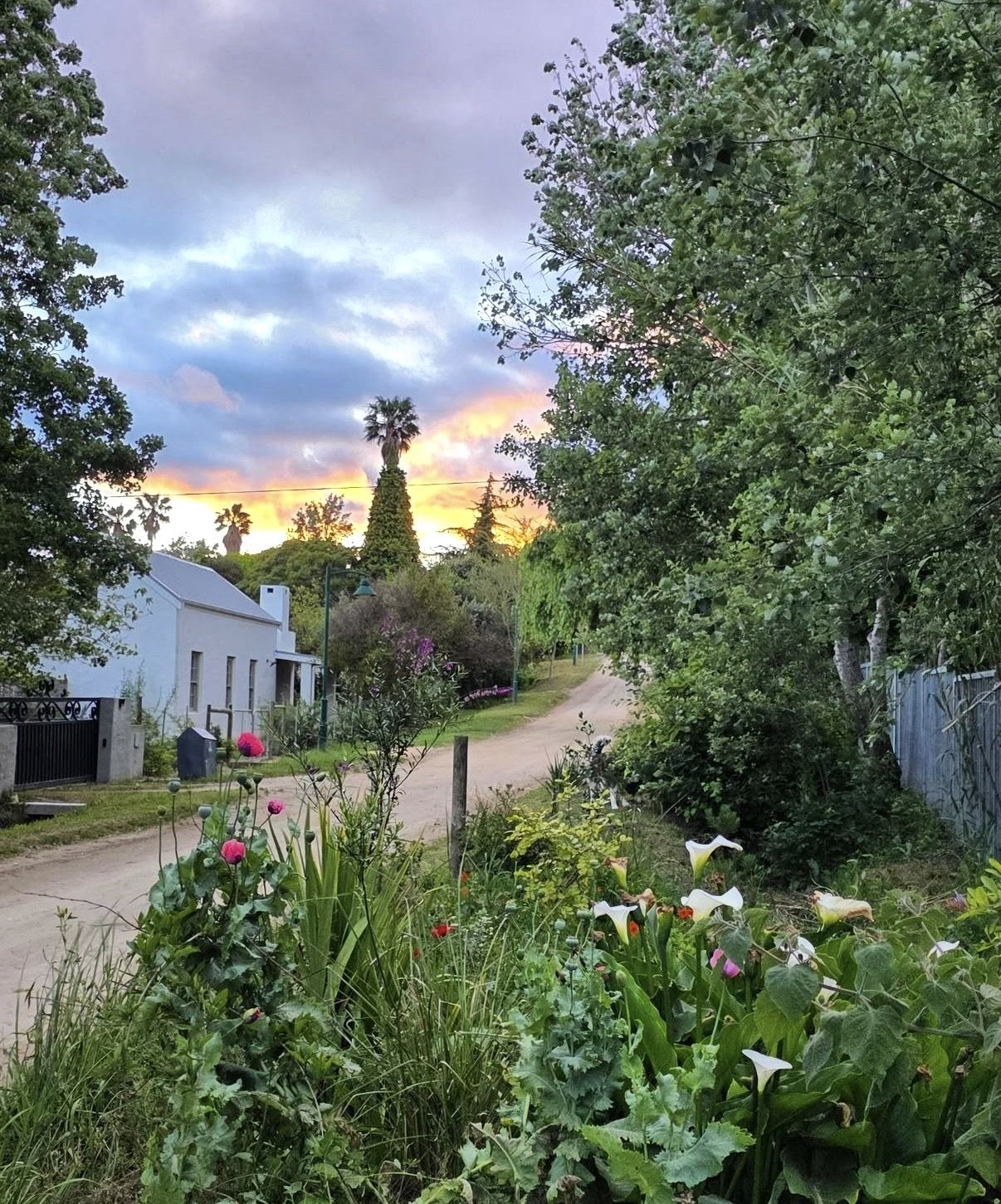
Photos from the Stanford Style booklet
A self-guided walk through the village takes in 58 old buildings: the late-1700s farmhouse, the churches, and the cottages and shops that grew up after the village was laid out in 1856. Numbered tiles on the buildings mark the stops. The walk starts at the Stanford Tourism Bureau on Queen Victoria Street.
The Stanford Heritage Committee published the booklet Historical Stanford on foot in October 2008, with text by Bea and Basil Whittaker. It gives a short history of each stop and includes a walk map. Printed copies are available only from the Stanford Tourism Bureau. A selection of highlights is on the Historical Stanford on foot page, and the full booklet can be downloaded as a PDF.
Twenty historic photographs of Stanford's streets and buildings, from Annalize Mouton's book Stanford 150: Portrait of a Village.
View the gallery →Join for R400 per family a year, volunteer an hour or a skill, or make a donation.